
Confirm Hancock Arrest Sources
Custody and court details can shift after anything is written down. Phone numbers and procedures change too. Before relying on an older entry, confirm the sheriff's current phone instructions, the identity of the records custodian, and the correct court. Two sources will sometimes disagree. Trust the record created by the responsible government office, and note the date you confirmed it.
A name missing from a list has many explanations. Release, transfer, a spelling variation, delayed intake, another jurisdiction, or a restricted record can all hide it. None of those means the arrest never happened. By the same token, a name lingering on an unofficial page does not mean the person is still in custody. Match the person, agency, booking date, facility, and court case before concluding anything.
Keep every request, estimate, agency reply, and court order. That paper trail matters. A correction, an expungement, a source removal, and a search-engine refresh each touch a different layer of the record.
Hancock Arrest Fees and Archives
Hancock County posts no set fee for copying a booking record or a photograph. The sheriff's office publishes no copy fee. That number also cannot be borrowed from another county or inferred from a different statute. Tennessee Comptroller guidance lets a custodian apply its own written policy to copy charges, redaction labor, and permitted delivery costs. Inspection and copying may follow separate procedures. Some offices also require a written form for copies. Ask for the current written fee policy and an itemized estimate before authorizing any work. Request an electronic copy when one exists, but let the custodian name the format. Do not send payment first. Wait for the office to give instructions. T.C.A. § 40-7-122 covers a possible booking or processing fee under stated conditions. It says nothing about Hancock County's price for copying a photo or arrest file.
A narrow request earns a better estimate. Give one person, a short date range, the known agency, and an identifier. If another office holds the file, ask for that custodian's name, and never require staff to create a record.
Older Hancock research hinges on the record series. CTAS retention guidance treats arrest files, booking logs, inmate registers, identification files, and release orders differently. Booking logs inside inmate census records carry a five-year period in the statewide schedule. Jail registers are permanent. Identification files with photographs and fingerprints can last much longer. The local custodian must confirm whether Hancock followed the schedule, microfilmed a file, transferred it, destroyed it lawfully, or restricted it. The Tennessee State Library and Archives holds historic Hancock court minutes and newspaper microfilm. Its county inventory aids long-range court and local-history research. It does not promise current jail photographs. Begin a recent arrest request with the sheriff, the jail, or the arresting agency. Use the archive only when the age and record series fit.
For an archival request, list the county, record type, names, approximate dates, and any case, volume, or page number. Check current forms and fees before ordering. A historic newspaper report is a secondary account. It does not replace the official arrest record.
Retention is not publication. A record can stay preserved yet confidential, redacted, unindexed, expunged, or available only by request.
Hancock County Recent Arrest Channels
Hancock County answers booking questions by phone. The official sheriff page posts no person-level jail roster, same-day list, multi-day blotter, or booking-photo viewer, and neither does the county site. It simply tells people to call. The subject is inmate charges and release dates. The Sheriff's Department and the county jail share a building. The address is 265 New Jail Street in Sneedville, which makes that office the first contact for any current-custody question.
No online feed exists. That gap means a commercial page cannot be treated as a live county booking list. It also means no source can honestly promise an hourly refresh, a set posting delay, or a roll-off date. Two routes help. Use the Daily Arrest Report for a same-day inquiry. Try the Weekly Arrest Log when the search is bounded by dates.
| Window | Official view | Hancock route |
|---|---|---|
| Same day | None located | Call the jail, then check VINE |
| Several days | No blotter located | Request a dated booking log |
| After release | No web archive located | Request the record and check court |
Hancock County Arrest Roster Route
Hancock County publishes no jail roster online. The county supplies two numbers: 423-733-2250 and 423-733-2249. A local service directory also lists 423-733-4475. That directory is neither the custodian nor a roster. When you call, ask whether the person is currently held, released, or transferred. Those are three distinct custody states.
A focused call beats asking staff to invent a list. Give the full name, an approximate arrest date, and any known agency. Then ask for the booking date, booking number, charges as booked, bond or release status, and public court information. Ask separately whether the office holds a booking photograph and how to request it.
| Detail | Purpose |
|---|---|
| Full name and alias | Separates similar names |
| Date range | Locates intake or release |
| Arresting agency | Identifies the report custodian |
| Booking or warrant number | Links the request to one record |
| Custody stage | Directs the search to jail, court, TDOC, or federal sources |
- Call the official sheriff numbers first.
- Ask for a current custody confirmation and public identifiers.
- If phone confirmation is not available, request inspection or an electronic copy under the Tennessee Public Records Act.
- Use Tennessee VINE for alerts, not as a mugshot source.
A blank search result is not proof that an arrest never happened. Hancock County publishes no roster fields and sets no stated update cadence.
Where Hancock Arrest Records Appear
Where a Hancock County arrest record lands depends on what happened after the arrest itself. A fresh local booking points to the sheriff and jail. Tennessee VINE reports eligible custody events and offers alerts. State felony custody or supervision falls under the TDOC FOIL system. The court clerk holds the later procedural outcome. Federal agencies cover only their own systems.
| Channel | Scope | Status |
|---|---|---|
| Hancock sheriff/jail | Current local custody; web photo policy unpublished | Official local |
| Tennessee VINE | Custody status and alerts, not a photo gallery | Official program |
| TDOC FOIL | State felony custody or supervision; some profiles have photos | Official state |
| Tennessee Courts | Case and disposition route | Official court |
| BOP or ICE | Federal or immigration custody only | Official federal |
| Commercial publishers | May be stale, incomplete, or filed under another county | Unofficial |
The sheriff's office offers no booking app and no booking-photo social account. Skip any app built for a different Hancock County. For alerts on one person, use the VINELink Inmate Check. Confirm any match with the jail. The Tennessee Courts portal is the starting point for clerk and case information.
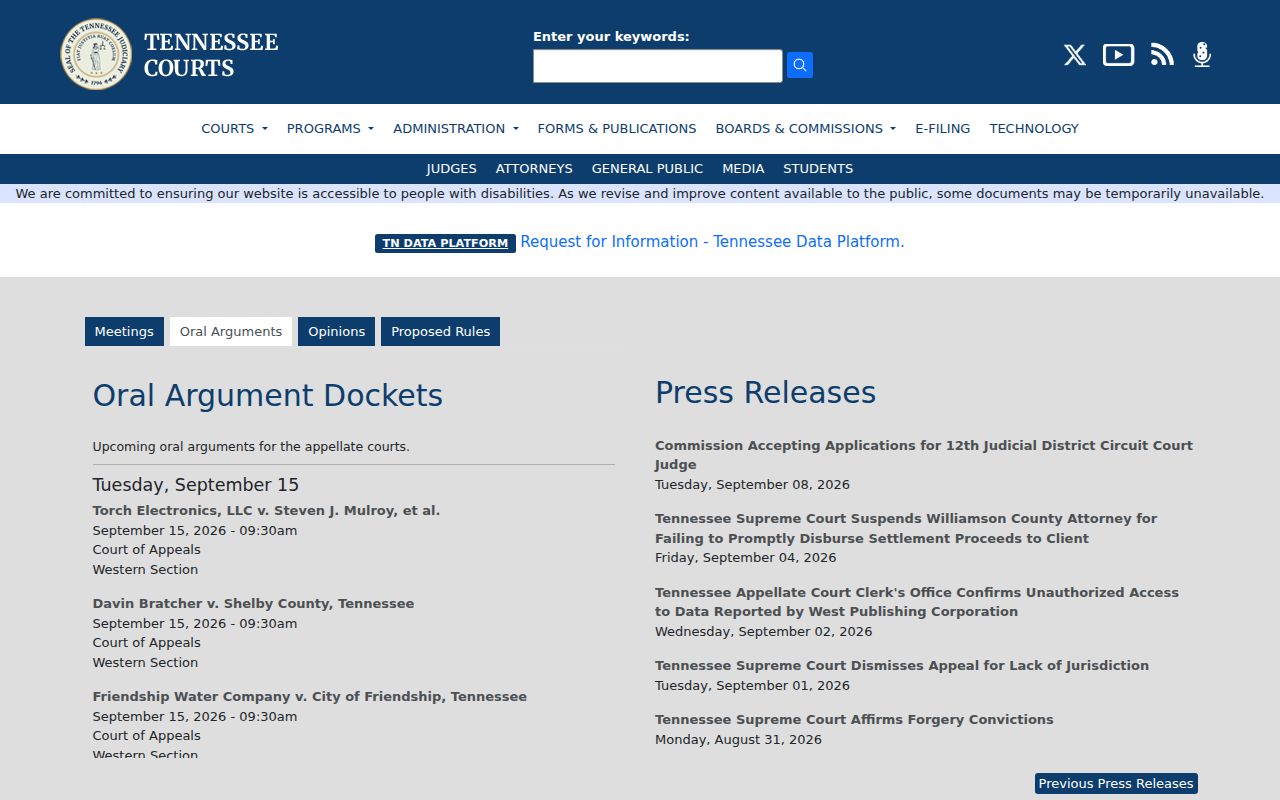
The court file, not the booking charge, shows how a Hancock County case actually ended.
Sneedville Recent Arrest Searches
Sneedville is Hancock County's only incorporated city and its county seat. The TBI lists a Sneedville Police Department. The city page gives City Hall information. It carries no police arrest feed. To search Sneedville Recent Arrests, identify the arresting agency first. Then ask the county jail directly. Staff can say whether the person was booked there after the arrest. Nothing in these sources guarantees that every city arrest goes to the county jail. This two-stage method avoids a common mistake. Residence, arrest location, arresting agency, booking county, and court jurisdiction can all differ. Local radio once reported a Hancock resident arrested in Cocke County. That home address did not turn the neighboring booking into a Hancock one.
What Hancock Arrest Records Contain
A booking record is an intake and custody document. It can connect to an arrest report, warrant, citation, release order, and court file. It may also tie to a fingerprint card and identification image. It is not a statewide criminal-history report or a final disposition. Hancock County publishes no sample form. The fields here come from Tennessee standardized booking law and the CTAS sheriff schedule. Confirm each field with the custodian.
| Field | Meaning |
|---|---|
| Name and aliases | Identity used in the arrest file |
| Offense and booking times | Events that may occur at different times |
| Booking number | Local jail identifier, if assigned |
| State control number | State linkage, not the local number |
| Arresting agency and place | Who acted and where |
| Charge as booked | Initial charge, not guilt |
| Bond and release status | Terms that can change |
| Photo and fingerprints | Identification material subject to disclosure rules |
| Court information | Route toward the later case |
Some data may be withheld or redacted. This covers juvenile, sealed, expunged, victim-related, medical, investigative, and safety-sensitive material. T.C.A. § 37-1-155 protects juvenile photographs and fingerprints outside specified law-enforcement and court-order paths. Ask for the non-exempt portion and for the law behind any withholding.
Hancock Arrest Mugshots and Photos
T.C.A. § 8-4-115 puts a photograph and fingerprints inside Tennessee's standardized booking process. A booking photo may therefore sit in an identification file. That does not mean Hancock County posts it anywhere online. The county lists no photo viewer, no display policy, and no removal schedule. Ask the sheriff whether it holds an inspectable or copyable photo.
The booking statute explains how the image is created. The Tennessee Public Records Act and confidentiality laws control access instead. The official Tennessee Courts expungement source explains the court route.
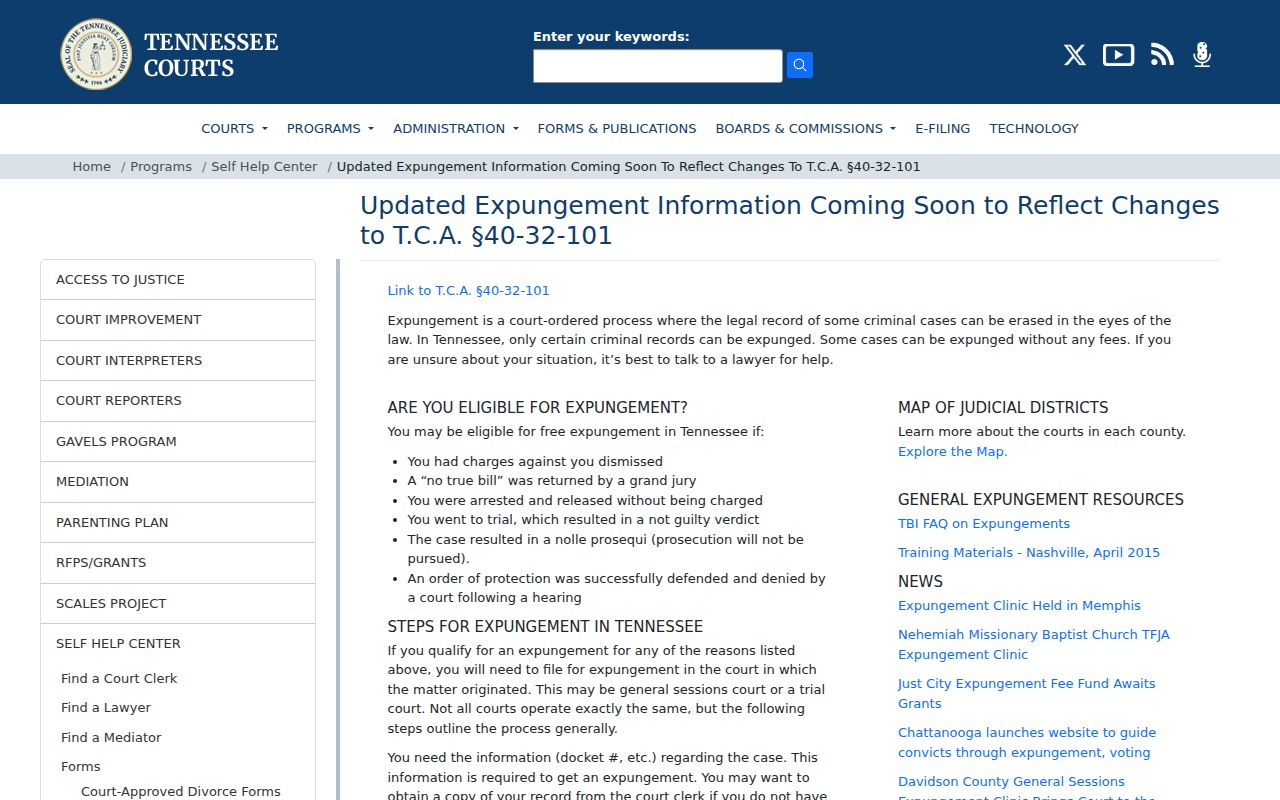
Eligibility depends on the case, and current court instructions control.
Treat unofficial publishers only after the official sources. Busted Newspaper's Sneedville tag mixes in nearby counties. RecentlyBooked's Tennessee index omits Hancock entirely. Mugshots.com carries a Hancock directory entry, but that is an archival commercial snapshot rather than evidence of current custody, and no Hancock-local Arrests.org or Mugshots.zone section appears.
Request a Hancock Arrest Record
The sheriff is the logical custodian for a sheriff arrest file, a jail booking record, the jail register, and any identification photo it holds. Sneedville Police Department may keep its own incident report. Since the TBI city-agency listing overlaps the sheriff's contact details, confirm the custodian before you request anything.
- Identify the person and use a narrow date range.
- Add the agency, booking number, warrant number, or case number if known.
- Choose inspection or an electronic copy.
- Request the booking record, photograph, and non-exempt portions.
- Ask for an itemized estimate and the statute behind any redaction or denial.
The Comptroller's TPRA guidance sends requests to the entity holding the record. Tennessee citizens hold the statutory access right. An office may ask for Tennessee identification. A custodian need not create a report. Production is not always practicable within seven business days. In that case the office should produce, deny with a written basis, or give a written time estimate.
The sheriff's office posts no copy-fee schedule. It lists no dedicated public-records line either. So ask for the written policy. A possible booking-processing fee under another statute is not a record-copy price.
Tennessee Arrest Law and Removal
Tennessee's record system is decentralized. No single database holds every booking, photo, release, and final outcome. Public status for one field does not make the whole file public. An office may redact protected data and release the rest.
No Tennessee primary source shows a broad anti-pay-to-remove law aimed at private mugshot sites. The official route is correction or expungement when eligible. Tennessee Courts lists qualifying categories. These include dismissal, no true bill, not guilty, arrests without charges, and nolle prosequi. TBI notes that expungement is not automatic. It usually starts in the court where the case arose.
After an order, deliver it to responsive agencies as directed. A private publisher's free-removal policy is voluntary and can change. Preserve the URL and any written replies. A source page may be corrected or removed. A search-engine outdated-content request may then clear the old result. Avoid paid-removal solicitations, since payment neither fixes the official file nor guarantees lasting removal.
A Hancock County booking entry simply marks the start of a court process. The clerk's file tells the rest of that story.
Hancock Arrest Warrants and Wanted Lists
The county publishes no online warrant portal. No most-wanted list appears on its site either. A warrant can sit open with no booking attached, and an arrest can grow out of another jurisdiction's paperwork. For the real answer, call the sheriff and ask what identification or appearance procedure applies.
The directory lists the Circuit Court Clerk at 1237 Main Street, Sneedville, 423-733-2954. Confirm those details before making the trip. For broader coverage, the TBI Most Wanted page posts a selective, statewide roster.
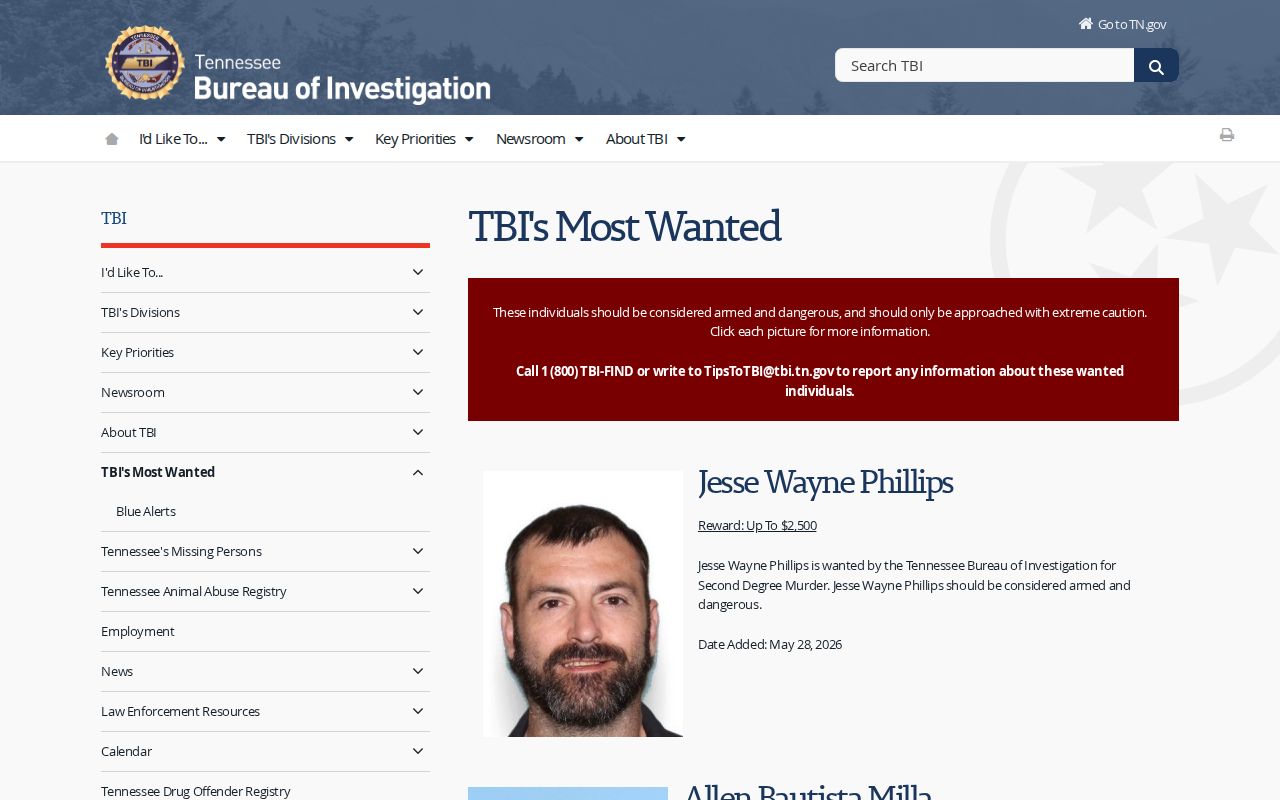
That TBI list is selective, not a Hancock warrant roundup. Never approach someone on it. Report what you know to law enforcement, or dial 911 in an emergency. If your own status worries you, talk to a lawyer, the court, or the sheriff directly.
After a Hancock County Arrest
What follows an arrest varies. Booking, release or detention, a first court date, bond conditions, hearings, dismissal, plea, trial, sentence, supervision, appeal, any of these can enter the picture. Hancock publishes no single timeline fitting every charge, so keep the court's exact words and its dates.
- Booking
- Jail intake after arrest.
- Bond
- Release conditions set under law.
- Arraignment
- An early court event in the charge and plea process.
- Disposition
- The procedural result of a case.
- Expungement
- A court process removing eligible charges from specified records.
Start with the sheriff for the charge as booked. Ask about release information too. The court file tells you what happened after that, and this phone-first, court-second sequence matters most where no public arrest log combines both stages.
Hancock Arrests Beyond County Custody
TDOC FOIL reaches felony offenders now or formerly in state custody or under supervision. A profile can carry a photo, status, location, offense, sentence, parole hearing, or release details. It is not a live Hancock booking feed. A missing result does not rule out an arrest. Federal custody runs through the separate Bureau of Prisons locator.
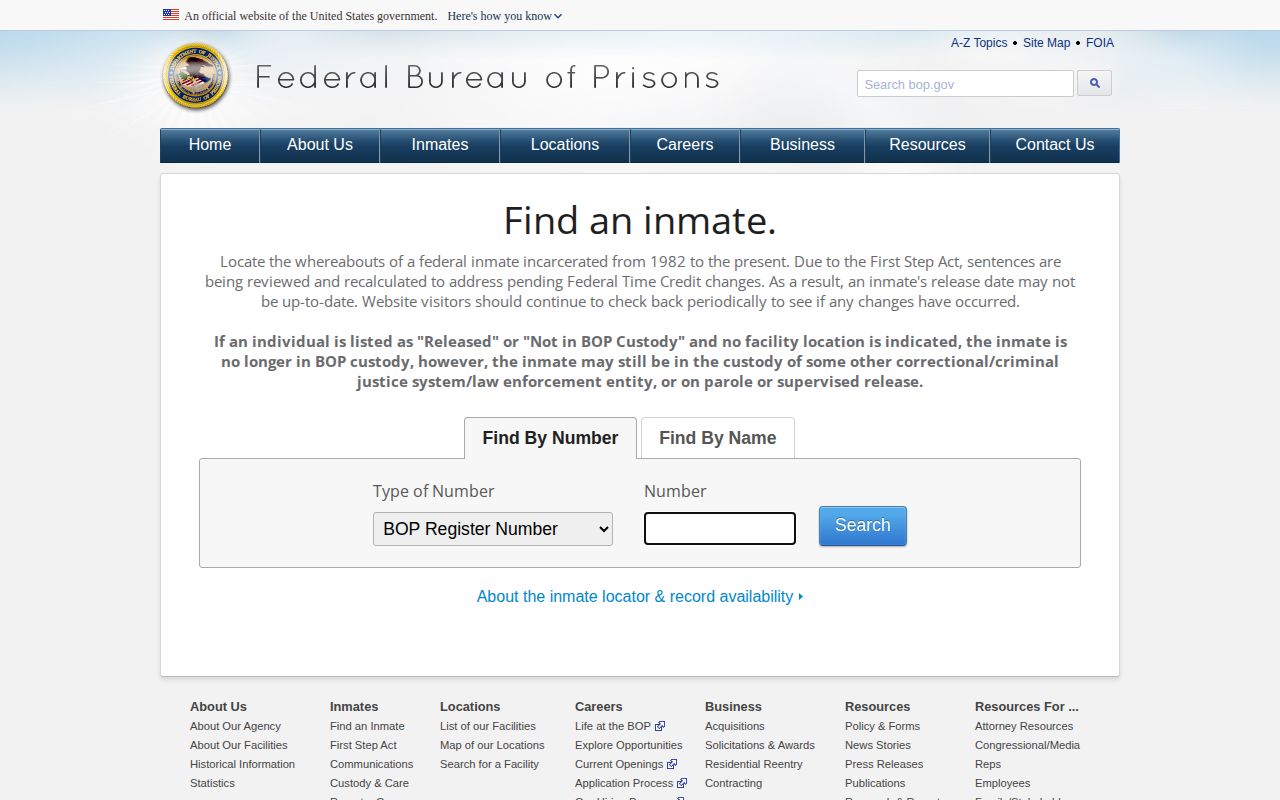
ICE handles eligible immigration custody cases. Neither federal locator replaces the sheriff's office. Older Hancock records follow a different path. CTAS guidance sets booking logs at five years, jail registers as permanent, and identification files as long retention, though local practice should be confirmed with the office itself. Tennessee Archives holds historic Hancock court and newspaper microfilm, but no source shows a current booking-photo collection. Retention never guarantees online publication. The former Hancock jail lost to fire in 2025 is not the current booking office, a distinction the WVLT historical report makes clear.

Current custody questions belong with the sheriff and jail on New Jail Street.